

By the time tweens walk through the door after school, their nervous systems are often overloaded — even if they don’t have the words for it yet.
They’ve spent the day navigating academics, social pressure, noise, transitions, expectations, and constant stimulation. Add technology — messages, videos, school screens, and after-school scrolling — and many tweens are processing more input in one day than their nervous systems were ever designed to handle.
For tweens with anxiety or ADHD, this nonstop stimulation can make emotional regulation feel almost impossible by late afternoon.
An emotional reset isn’t about correcting behavior.
It’s about helping your child’s body feel safe enough to slow down.
Why After-School Calm Is Essential (Not Optional)
When tweens move straight from a high-stimulation school day into homework, activities, or more screen time, their stress doesn’t disappear — it stacks.
This often shows up as:
- Irritability or emotional outbursts
- Shutdowns or withdrawal
- Restlessness and impulsivity
- “Big feelings” that seem to come out of nowhere
One of the most supportive things caregivers can do is create a predictable decompression routine after school, even 15–30 minutes of intentional calm.
A simple way to start is by helping your tween check in with their emotions before moving on with the day. Many families find that using a Daily Mood Tracker during this transition helps tweens name what they’re feeling without pressure to explain or fix it. Over time, patterns emerge, and awareness builds naturally.

Building a Nervous-System-Friendly Routine
A calming routine works best when it’s gentle, consistent, and flexible. The goal isn’t silence or stillness — it’s regulation.
Helpful elements might include:
- A quiet snack break with minimal conversation
- Movement that releases stress (stretching, walking, bouncing)
- Screen-free decompression time
- A grounding activity like drawing, journaling, or organizing
For tweens with ADHD, movement before focus can prevent emotional buildup.
For tweens with anxiety, knowing what comes next helps their nervous system settle.
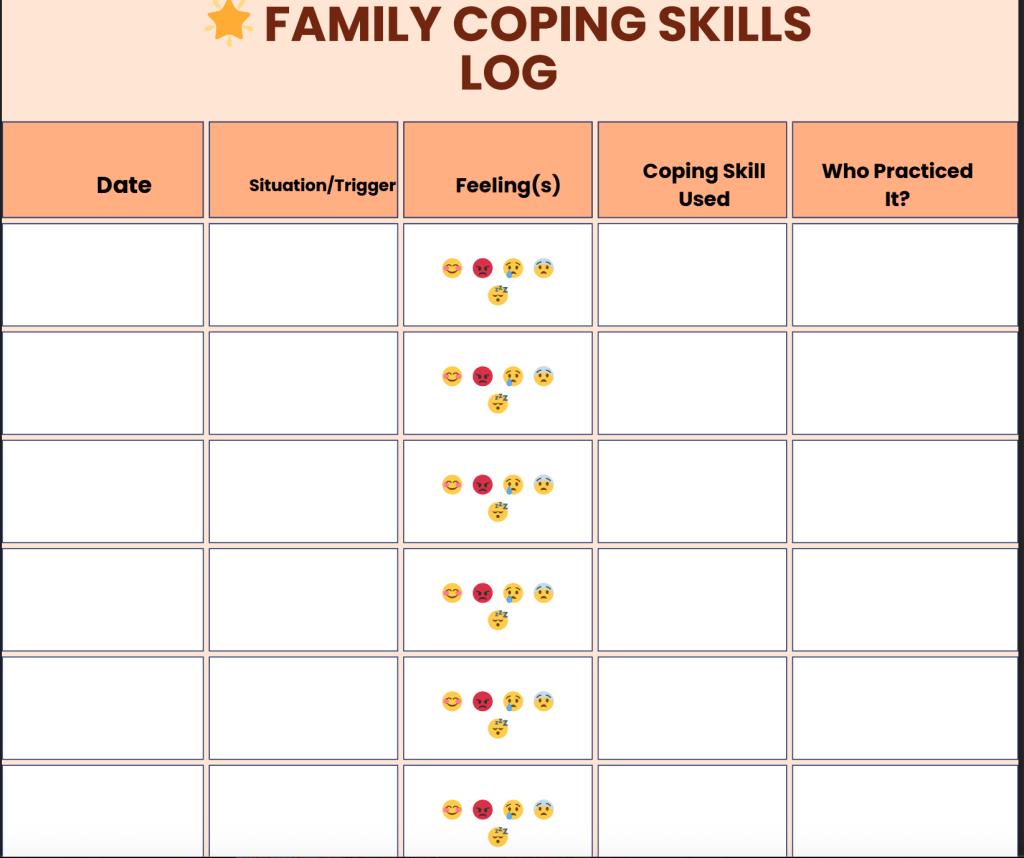
Some families like to keep track of what actually helps their child regulate by using a Family Coping Skills Log — a shared space to note which strategies work on hard days, anxious days, or overstimulated days. This shifts the focus from “What’s wrong?” to “What helps?”
A Gentle Reset for the Year Ahead
An emotional reset doesn’t require a perfect schedule or constant calm.
It starts with:
- One predictable pause after school
- One safe way to name emotions
- One shared strategy that helps your child feel grounded
When tweens are given tools like mood tracking and coping reflection — paired with consistent routines, they learn that their feelings are manageable, supported, and worthy of care.
Guided Growth is here to walk alongside you, offering free resources like the Daily Mood Tracker and Family Coping Skills Log to support emotional awareness, nervous system regulation, and calm routines — so your tween feels supported, not rushed, as they grow!
 officialguidedgrowth.com
Leave a comment