
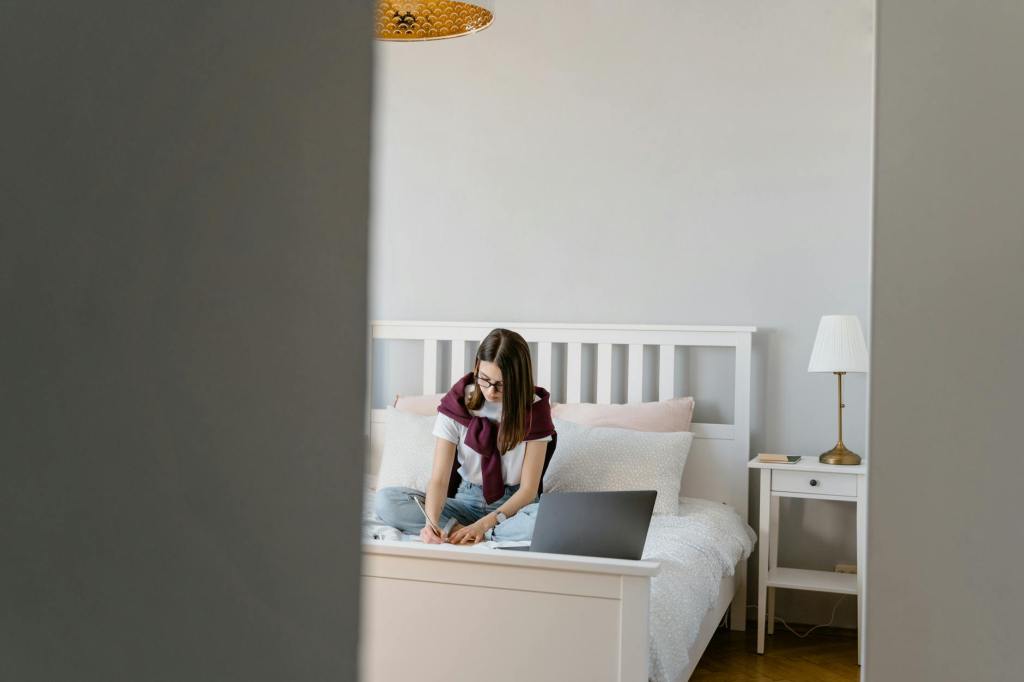
Winter can be a beautiful season! But for many tweens, it also brings some quiet emotional challenges. Shorter days, colder weather, and more time spent indoors can create the perfect storm for anxiety to grow louder.
When tweens are stuck inside more often due to weather events or early darkness, they naturally lose some of the movement, variety, and social connection their nervous systems rely on. Recess looks different. After-school activities get canceled. Playdates happen less often. Even confident kids can start to feel restless, disconnected, or “off”—and anxious tweens tend to feel it even more intensely.
Tweens are at an age where emotions feel big, but the skills to manage them are still developing. When days become repetitive and physically quieter, anxious thoughts can take center stage.
Being cooped up indoors often means:
- Less physical movement to release stress
- Fewer distractions from anxious or ruminating thoughts
- More time alone with worries and “what if” thinking
- Less face-to-face connection with peers
Without enough outlets, anxious tweens may replay worries over and over, fixate on uncomfortable feelings, or feel overwhelmed without knowing why. This isn’t a sign something is “wrong”, it’s a nervous system asking for support.
Simple Tools That Help Tweens Feel Back in Control
One of the most effective ways to support winter anxiety is to help tweens notice and name what’s happening inside their bodies and minds without judgment.
That’s where gentle, visual tools can make a huge difference.
The Daily Mood Tracker gives tweens a simple way to check in with themselves each day. Instead of holding everything in their heads, they can track moods, patterns, and shifts over time. This helps normalize emotions and shows them that feelings change, even during long winter weeks.
The Feelings Thermometer is especially helpful for anxious tweens who ruminate. It gives language to emotional intensity, helping them identify whether a feeling is mild, building, or overwhelming. When tweens can see where they are on the “scale,” it becomes easier to pause, ask for help, or use calming strategies before emotions spiral.
Winter may slow the world down, but with the right support, your tween doesn’t have to feel stuck inside their worries!
 officialguidedgrowth.com
Leave a comment