

When it comes to helping tweens with ADHD stay organized, the goal isn’t perfection. It’s connection first, systems second. Many parents try charts, bins, planners, and apps, only to feel frustrated when nothing seems to stick. The missing piece is often communication.
Before any system can work, your tween needs to feel understood, included, and trusted.
Communication Is the Foundation (Not the Finish Line)
Tweens with ADHD are often told what they’re doing wrong: forgetting homework, losing papers, or missing steps. Over time, this can create a deep sense of feeling out of control—both to themselves and to others.
That’s why the most effective organization systems start with:
- Simple, clear expectations (“Homework goes in this folder every day.”)
- Short, concrete instructions (one step at a time).
- Calm check-ins instead of constant corrections.
When expectations are clear and predictable, your tween’s nervous system can relax, and learning new routines becomes possible.
Why Autonomy Matters (Especially for ADHD Tweens)
While structure is important, ownership is essential.
Tweens with ADHD benefit deeply from having a say in how their system looks and works. When they help create it, they’re not just following rules, they’re building a sense of responsibility, a growing self-identity, and confidence that they can manage their world.
This balance: parent guidance + tween choice—helps reduce power struggles and supports independence during a stage where autonomy really matters.
Two Simple Tools (You Can Download Today)
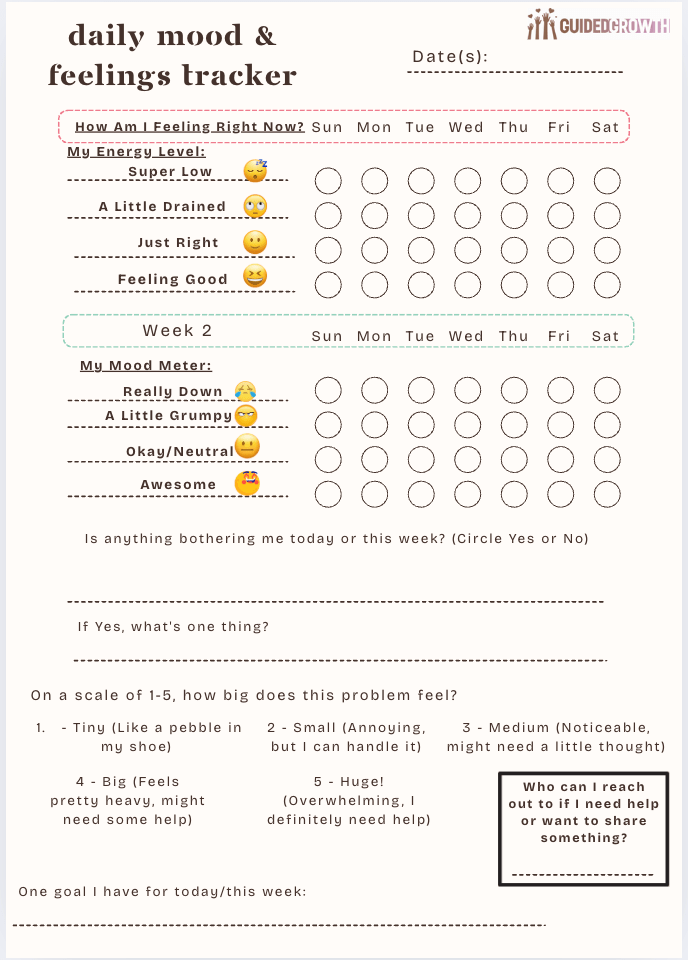
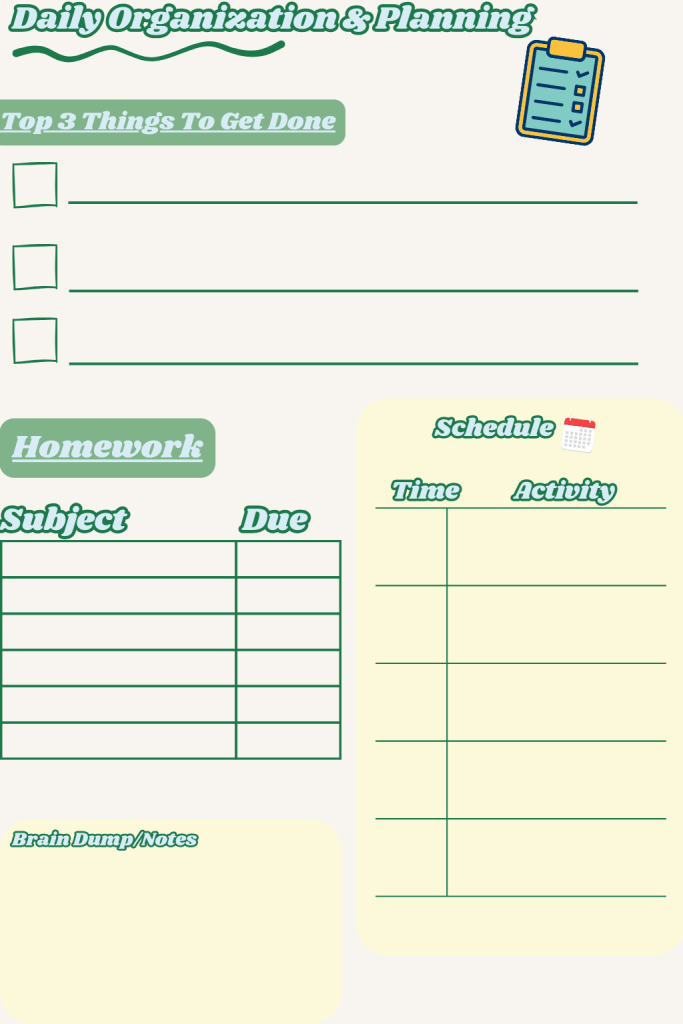
Organization isn’t just about folders and planners. For tweens with ADHD, emotions, energy levels, and overwhelm all directly affect how well any system works. That’s why these two printable tools are designed to support both emotional awareness and daily structure—without adding pressure.
The Daily Mood Tracker helps tweens pause and notice how they’re feeling each day. This awareness builds emotional language and makes it easier for parents and kids to talk about why certain days feel harder than others.
When a tween can say, “I felt overwhelmed today,” instead of “I forgot again,” conversations shift from frustration to collaboration.
You can download the Daily Mood Tracker here and use it as a short daily check-in or part of your evening routine.
The Daily Organization Sheet gives tweens a clear, simple framework for their day—what needs to be done, what comes next, and what they can check off when finished. It supports executive function without taking away independence.
Parents can set expectations, and tweens can decide how they want to complete the steps—creating structure and autonomy.
You can download the Daily Organization Sheet here and let your tween personalize how they use it.
The most effective ADHD organization systems aren’t about doing things for your tween. They’re about doing things with them.
Start with clear, calm communication. Invite your child into the process. Give guidance, then step back enough for them to build confidence and responsibility. Over time, these small daily systems help tweens with ADHD feel more capable, more in control, and more connected to who they are becoming.
 officialguidedgrowth.com
Leave a comment