
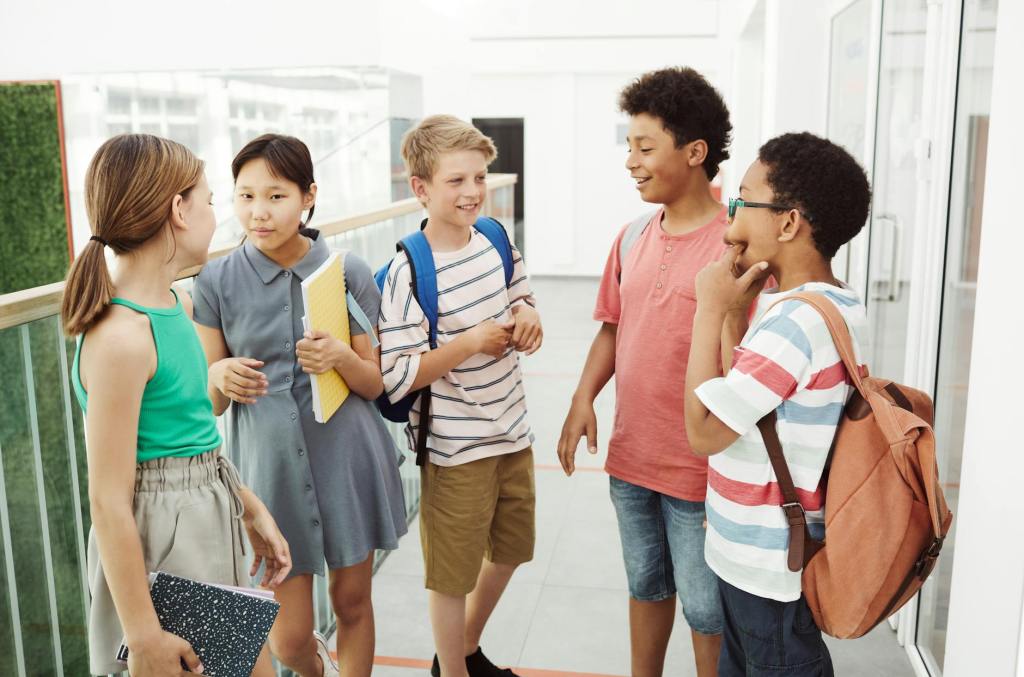
The pre-teen years are a time when friendships start to take on a deeper meaning. Kids ages nine to thirteen begin to care more about belonging, loyalty, and social status within their peer groups. With these changes often comes what many parents recognize as friendship drama. While disagreements and shifting friendships can feel overwhelming for kids and for the adults supporting them, these experiences are also important opportunities for growth. With guidance and support, pre-teens can learn how to navigate social situations, communicate their feelings, and build healthy friendships that support their emotional well-being.
Staying Engaged in Your Child’s World
One of the most powerful ways parents, educators, and caregivers can help is by staying engaged in a child’s world. When kids feel connected to the adults in their lives, they are far more likely to open up about what is happening at school or within their friend groups. Engagement does not always mean formal conversations or serious check-ins. Often it looks like small daily moments of curiosity and presence. Asking about their day, remembering the names of their friends, and showing interest in their stories helps build a foundation of trust. Over time, this trust encourages kids to naturally share when something feels confusing, hurtful, or exciting in their friendships.
It is also helpful to explore how your pre-teen defines friendship. Asking open questions can reveal a lot about what they believe healthy relationships look like. You might ask them what qualities they think make someone a good friend or how they feel when they are treated well by others. Their answers provide valuable insight into how they view loyalty, kindness, honesty, and boundaries. Understanding their perspective allows you to gently guide the conversation if something concerning comes up. Sometimes kids may normalize behaviors such as exclusion, gossip, or pressure to fit in. Talking about friendship values helps them begin to recognize the difference between supportive friendships and relationships that feel uncomfortable or draining.
Allowing Space for Social Growth
While guidance is important, pre-teens also need room to practice handling social situations themselves. Learning how to work through disagreements, misunderstandings, and hurt feelings is part of developing emotional and social skills. It can be tempting for adults to step in quickly when conflict appears, especially when we want to protect our children from pain. However, giving them the space to try solving problems on their own helps them build confidence and resilience. When kids are supported rather than rescued, they learn that they are capable of navigating difficult moments. Adults can still offer coaching by asking reflective questions such as what they think might help the situation or how they might want to respond next time.
Friendship challenges can also be emotional learning moments. Kids often experience big feelings when they feel left out, misunderstood, or unsure of where they stand within a group. Helping them recognize and process those emotions can make a meaningful difference. When adults respond with calm curiosity rather than immediate judgment, kids feel safer sharing the full story. Validating their feelings while guiding them toward thoughtful responses teaches them that emotions are manageable and that relationships can grow through communication.
Tools That Support Emotional Check Ins
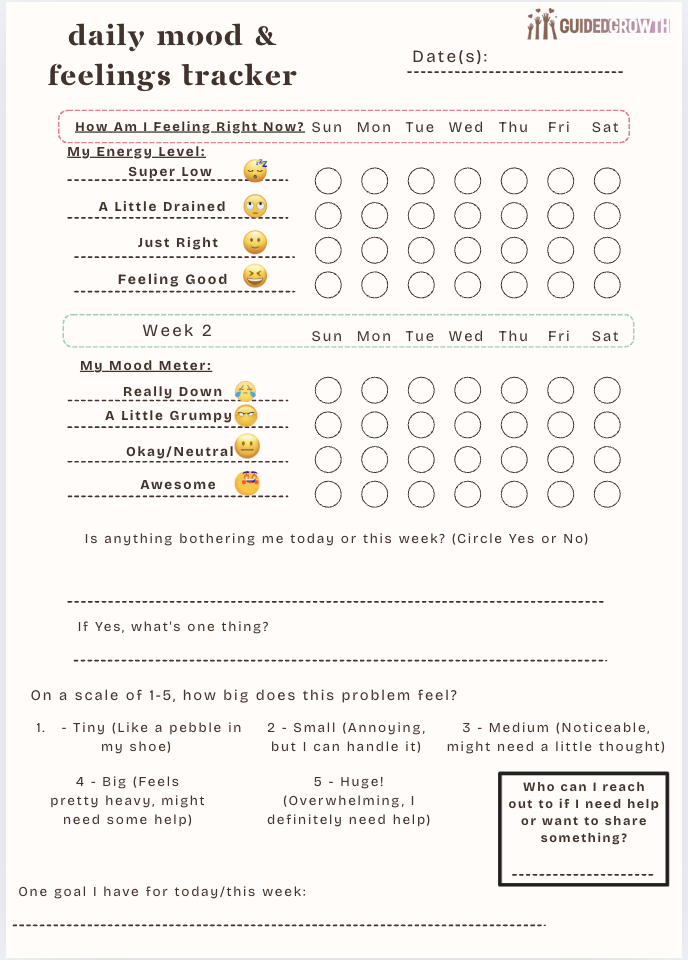
If you are looking for simple tools to support these conversations at home, reflective activities can be a great place to start. One helpful option is using a daily check-in practice where kids can track their emotions and reflect on their day. My Daily Mood Tracker offers a simple way for kids to notice how their friendships and daily experiences affect how they feel.
These tools can create natural opportunities for meaningful conversations and help kids build lifelong emotional awareness. You can download your free Daily Mood Tracker here!
As kids learn to navigate the complex world of friendships, what they need most is not perfection in their social lives but steady support from the adults who care about them. With connection, guidance, and opportunities to practice real-world skills, pre-teens can learn that even challenging friendship moments can become valuable lessons in empathy, communication, and self-confidence.
 officialguidedgrowth.com
Leave a comment