
Author: Dajah Nolan Durham
-

School Anxiety in Pre-Teens: What It Looks Like and How to Support Them
If your tween has been more irritable in the mornings, complaining of stomachaches before school, or melting down over homework, you are not alone. School anxiety often increases during the preteen years, and it makes sense when we look at what this stage of life really holds. Pre-teens are no longer just attending school. They…
-

How to Communicate with Your Tween Without Triggering Shutdown
If you’ve ever asked your tween, “How was your day?” and received a one-word answer… a shrug… or a quiet retreat behind a closed door, you are not alone. Between ages 9 and 13, kids begin protecting their inner world. They’re becoming more socially aware, more independent, and more sensitive to how they’re perceived. Communication…
-
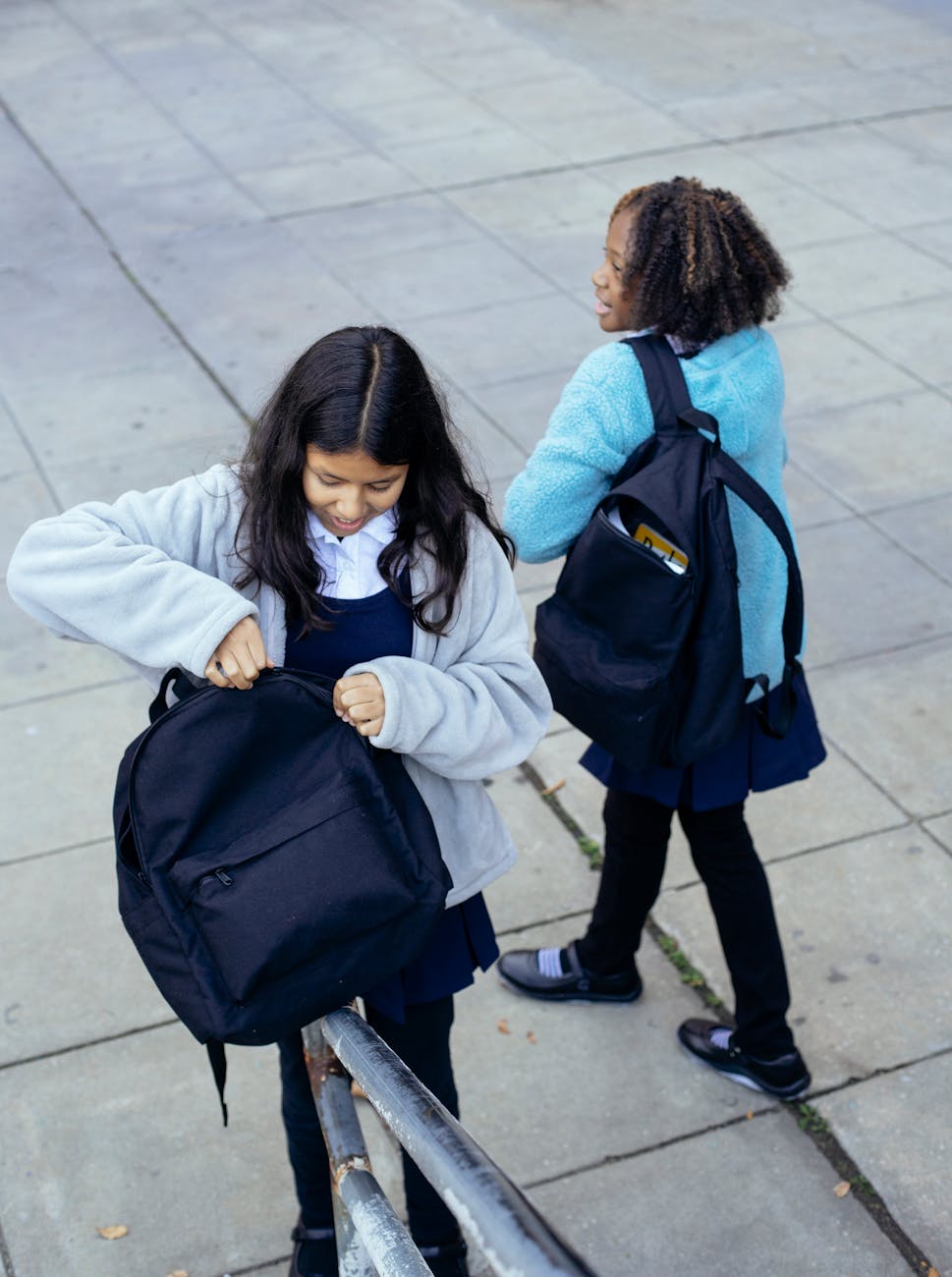
The 5-Minute After-School Emotional Check-In That Helps Tweens Open Up
If your tween comes home from school overwhelmed, irritable, or completely shut down, you’re not doing anything wrong—and neither are they. The transition from school mode to home mode is one of the most emotionally demanding parts of a tween’s day. Even when the school day went “fine,” your child has spent hours navigating expectations,…
-
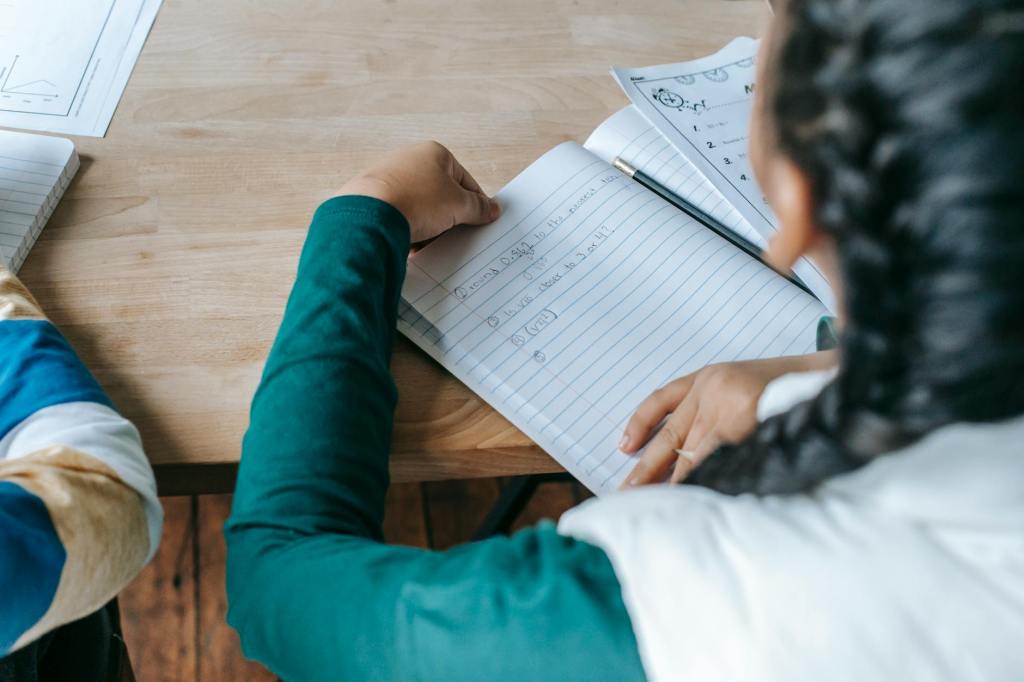
ADHD Organization Systems That Actually Work for Tweens
When it comes to helping tweens with ADHD stay organized, the goal isn’t perfection. It’s connection first, systems second. Many parents try charts, bins, planners, and apps, only to feel frustrated when nothing seems to stick. The missing piece is often communication. Before any system can work, your tween needs to feel understood, included, and…
-
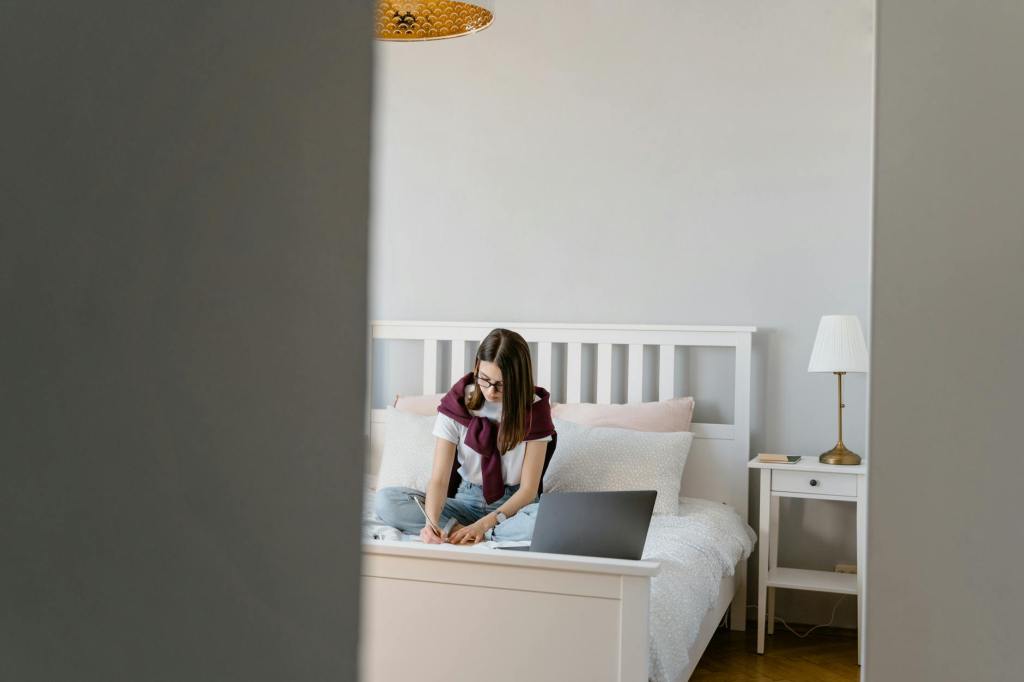
Winter Anxiety SOS for Tweens: Helping Big Feelings Feel Smaller
Winter can be a beautiful season! But for many tweens, it also brings some quiet emotional challenges. Shorter days, colder weather, and more time spent indoors can create the perfect storm for anxiety to grow louder. When tweens are stuck inside more often due to weather events or early darkness, they naturally lose some of…
-

2026 Emotional Reset for Tweens: Creating Calm After School and All Week Long
By the time tweens walk through the door after school, their nervous systems are often overloaded — even if they don’t have the words for it yet. They’ve spent the day navigating academics, social pressure, noise, transitions, expectations, and constant stimulation. Add technology — messages, videos, school screens, and after-school scrolling — and many tweens…
-

How Weighted Plush Toys Can Help Kids and Teens with Anxiety and ADHD
If your child or teen struggles with anxiety, restlessness, or focus, you may have noticed how much comfort they find in soft toys or blankets. Weighted plushies take that comfort one step further by combining the soothing texture of a stuffed animal with the calming benefits of deep pressure therapy. Why Weighted Plushies Work Weighted…
-
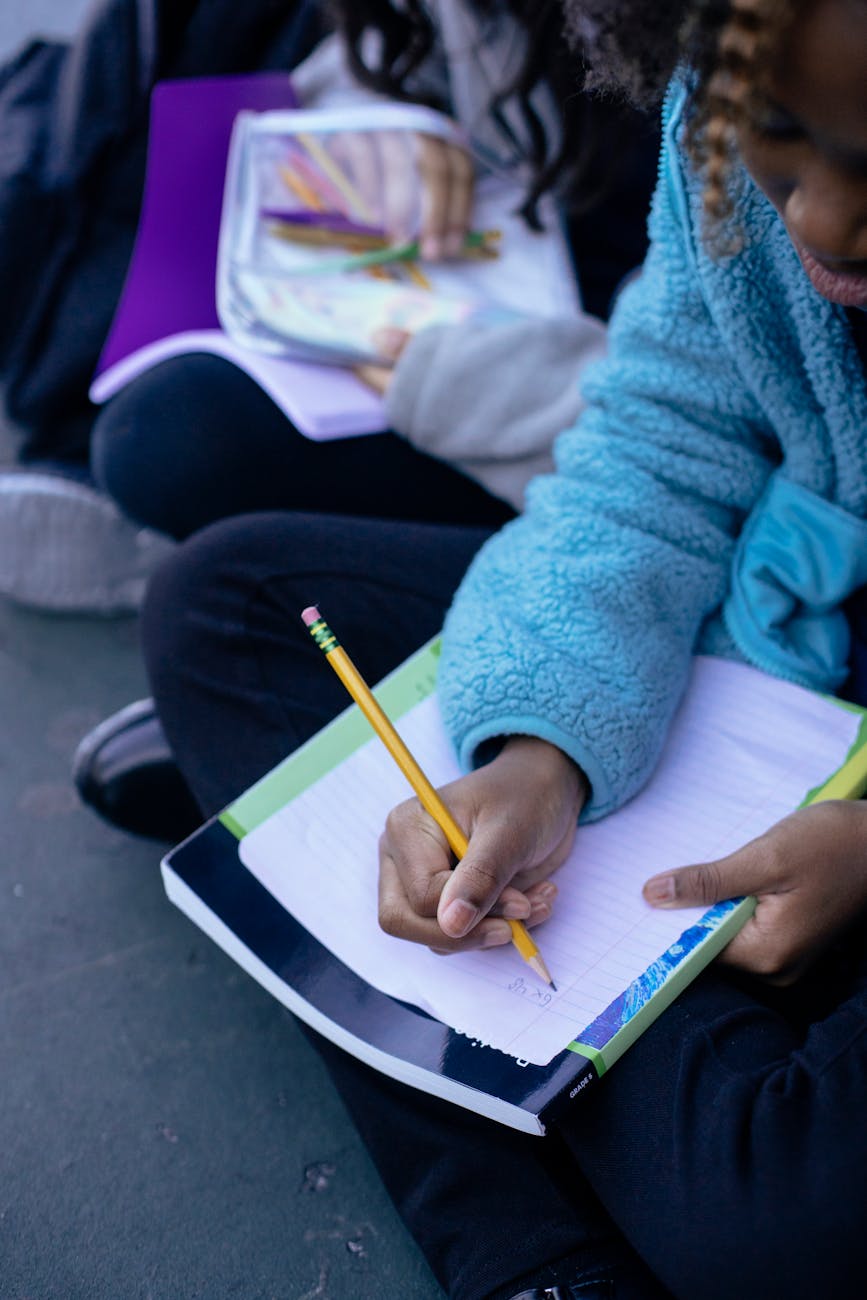
After-School Stress Relief: Why Every Child Needs a Calm Down Kit
The hours after school can be some of the most emotionally charged for children. They’ve spent the entire day following directions, navigating friendships, and processing new information — all of which can create after-school stress and emotional overload. This often shows up as meltdowns, irritability, or withdrawal when they get home. That’s why having a…
-
The Ultimate Tween Anxiety Toolkit: Helping Your Child Cope in Stressful Moments
As parents, we understand that life is not always smooth—particularly for children these days in our fast-paced world. Tweens are in a unique position where they are facing school stresses, shifting friends, and enormous emotions that are just too much at times. Tweens’ anxieties can manifest in so many ways—pre-school stomachaches, night waking, irritability, or…
-

6 Must-Read Books for Supporting Your Child’s Mental Health
Children’s emotional well-being is just as important as their physical well-being. How children interpret and manage their emotions determines their confidence, relationships, and capacity to recover from setbacks in the course of growing up. As parents and caregivers, having the right tools can make a big difference in helping children feel seen, supported, and empowered.…
 officialguidedgrowth.com